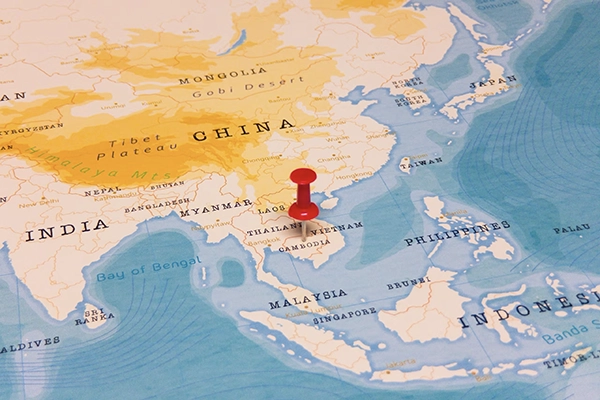
Siem Reap is famous worldwide for being the gateway to the magnificent Angkor Archaeological Park, home to the iconic Angkor Wat temple. This city in northwestern Cambodia has grown into a vibrant tourist hub, blending ancient Khmer history with a lively modern atmosphere, delicious cuisine, and friendly locals. It’s the starting point for exploring one of the world’s most incredible wonders. Also: Explore the best places in Siem Reap.
Table of Contents
- The Main Attraction: Angkor Wat and the Angkor Park
- Beyond the Temples: Other Reasons Siem Reap is Famous
- The Rich History: Origin of the Name
- What is the Best Time to Visit Siem Reap?
- FAQs About Siem Reap
The Main Attraction: Angkor Wat and the Angkor Park
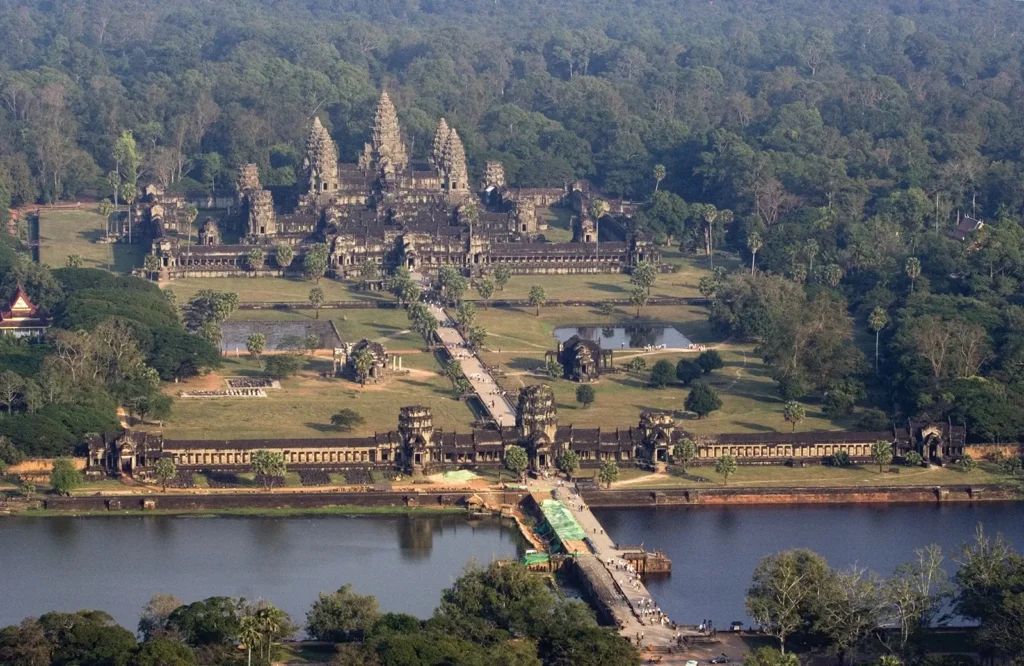
The undisputed reason for Siem Reap’s fame is its proximity to the Angkor Archaeological Park, the “8th Wonder of the World“, a UNESCO World Heritage site and the stunning remains of the ancient Khmer Empire’s capital.
Angkor Wat: The World’s Largest Religious Monument
Angkor Wat is the central jewel of the park. It is the largest religious structure in the world, renowned for its perfectly symmetrical architecture and thousands of intricate bas-relief carvings that tell stories of Hindu epics and ancient Khmer life. Watching the sunrise over its five lotus-shaped towers is a bucket-list experience for millions of travelers.
Other Must-See Temples in the Park
While Angkor Wat is the star, the park is massive (covering about 400 square kilometers) and includes hundreds of other significant temples:
- Angkor Thom: An inner royal city famous for the Bayon temple, which features over 200 enormous, smiling stone faces gazing in all directions.
- Ta Prohm: Known as the “Tomb Raider Temple,” this site is famous for the giant, tentacle-like roots of silk-cotton and strangler fig trees that have entwined themselves with the stone ruins.
- Banteay Srei: A smaller, and more distant temple (~30km) celebrated for its incredibly detailed and well-preserved pink sandstone carvings.
Beyond the Temples: Other Reasons Siem Reap is Famous
While the ancient ruins are the anchor, the city of Siem Reap itself has evolved into a compelling destination with its own charm and attractions.
🍽️ Vibrant Nightlife and Culinary Scene
Siem Reap offers a lively modern contrast to its ancient ruins. Pub Street is the city’s electric core, famous for its inexpensive drinks, international restaurants, and bustling atmosphere. Beyond the party scene, the city also boasts excellent dining, including high-end Khmer cuisine, street food markets, Khmer dance, Cultural Exposé and international fare.
🏞️ Tonlé Sap Lake and Floating Villages
Just a short trip from the city is Tonlé Sap, Southeast Asia’s largest freshwater lake. The lake is home to unique floating villages like Kampong Phluk, where houses, schools, and even churches are built on stilts or float directly on the water. This offers a fascinating glimpse into a unique way of life. Tonlé Sap Lake is also home to unique species and a main food source for Cambodians.
🎭 Rich Khmer Cultural Experiences
Siem Reap is a center for Cambodian culture and arts. Visitors can enjoy:
- Apsara Dance Performances: Traditional Khmer classical dance, often depicting mythological stories with graceful, intricate movements.
- Phare, The Cambodian Circus: A social enterprise that provides a modern, energetic performance combining acrobatics, music, and theater to tell Cambodian stories.
- Local Markets: The Old Market (Phsar Chas) and Night Markets are great places to practice your bargaining skills and find unique souvenirs and local crafts.
💡 Education and Social History
Places like the Cambodia Landmine Museum and Artisans Angkor (a social business that teaches traditional crafts) offer visitors a deeper understanding of the country’s difficult recent history and its commitment to preserving traditional arts.
The Rich History: Origin of the Name
The name Siem Reap literally means “Defeat of Siam” in the Khmer language. This name was given to commemorate a 16th-century victory by the Khmer Empire over the Kingdom of Siam (modern-day Thailand).
Despite this historical rivalry, the city today is a peaceful, welcoming hub. Its modern growth began in the early 20th century, largely fueled by French colonial interest and archaeological expeditions after the “rediscovery” of Angkor Wat by the Western world in the mid-19th century.
When is the Best Time to Visit Siem Reap?
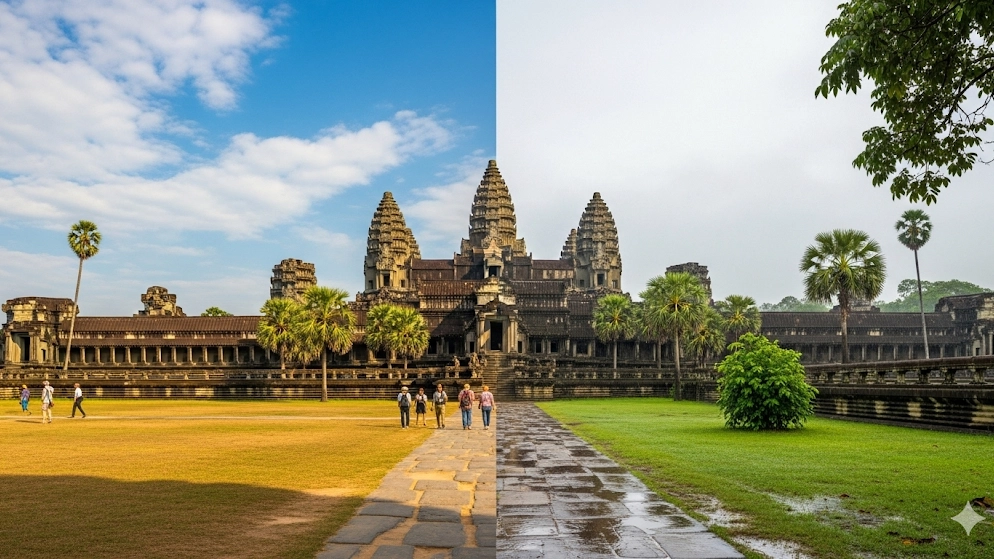
The best time to visit Siem Reap is during the dry season, which runs from November to February.
| Season | Months | Temperature/Weather | Travel Notes |
| Cool/Dry | November – February | Warm days, cool evenings, low humidity | Peak tourist season. Ideal weather for temple hopping. |
| Hot/Dry | March – May | Very hot and dry, with daily highs often over 35-40°C (95°F) | Fewer crowds, but intense heat can make daytime touring difficult. |
| Rainy/Green | June – October | Daily afternoon rain showers, high humidity | The surrounding countryside is lush and green. Fewer crowds, lower prices. |
FAQs About Siem Reap
Q: Is Siem Reap safe for tourists?
A: Yes, Siem Reap is safe for tourists. As with any popular travel destination, it’s wise to take standard precautions against petty theft, but serious crime against tourists is rare.
Q: How many days do you need in Siem Reap?
A: Most travelers spend 3 to 4 days in Siem Reap. This allows enough time for a 3-day Angkor Pass to see the major temples (Angkor Wat, Angkor Thom, Ta Prohm) and explore the city’s markets, cultural shows, and the Tonlé Sap lake.
Q: What currency is used in Siem Reap?
A: While the official currency is the Cambodian Riel, the US dollar (USD) is the widely accepted and preferred currency for almost all transactions. Prices are often listed in USD, and you’ll typically receive small change back in Riel.
Final Thought
Siem Reap is famous because it is the vibrant, accessible, and friendly host city to a true world wonder: Angkor Wat. While the majestic, ancient temples are the primary draw, visitors quickly discover the city’s rich, resilient culture, delicious Khmer food, and modern charm. It offers a unique journey where the echoes of a powerful empire meet a modern, optimistic Cambodia, ensuring that every traveler finds something unforgettable.